
Queen Elizabeth National Park Uganda—Discover where lions climb trees, elephants roam vast savannas, and over 600 bird species thrive along the shimmering Kazinga Channel. Explore the best time to visit, top wildlife experiences, and travel tips for this iconic African reserve
Introduction: Uganda’s Most Versatile Safari Destination
Straddling the Great Rift Valley in western Uganda, Queen Elizabeth National Park (QENP) is one of Africa’s most scenic and wildlife-rich conservation areas. Covering approximately 1,978 square kilometers (764 sq mi), the park boasts an awe-inspiring mix of ecosystems: sweeping grasslands, volcanic craters, wetlands, and tropical forests framed by the distant Rwenzori Mountains.
This diversity supports an incredible array of wildlife, making Queen Elizabeth the ultimate all-around safari destination in Uganda—ideal for photographers, birders, and first-time safari-goers alike.
Wildlife of Queen Elizabeth National Park
Few parks in Africa offer such a dynamic combination of landscapes and animals. Queen Elizabeth is home to about 95 species of mammals and roughly 600 species of birds—the highest biodiversity of any Ugandan park.
Big Cats and the Famous Tree-Climbing Lions
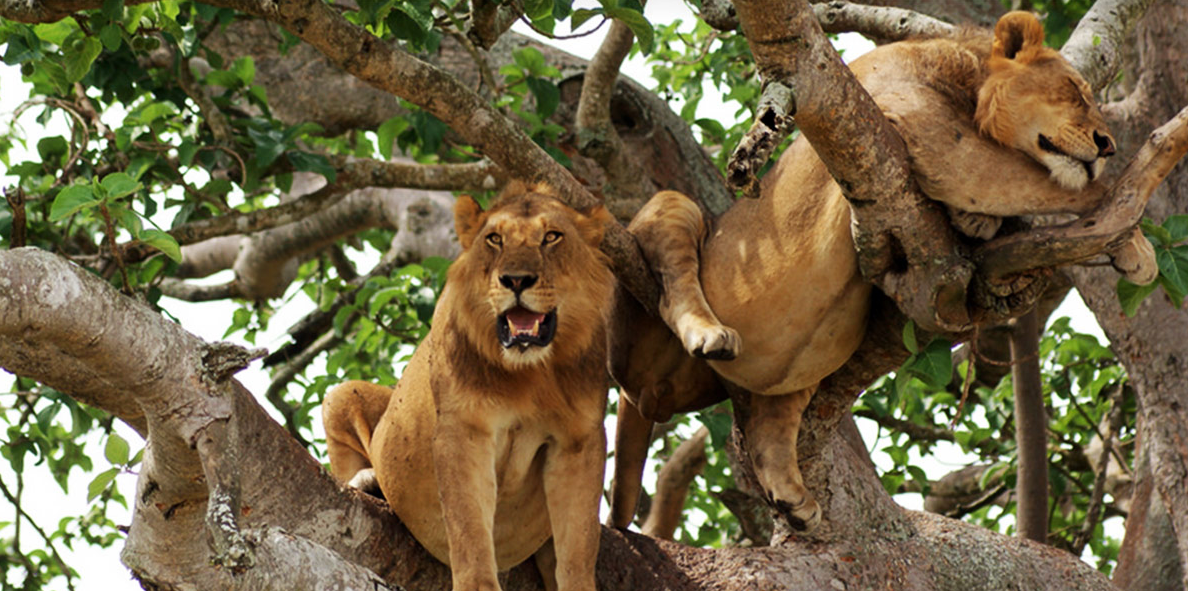
Queen Elizabeth is one of the few places on Earth where lions have developed the unique habit of climbing trees. They are most commonly seen lounging in the huge fig trees of the Ishasha Sector, in the park’s south. This unusual behavior helps them escape both heat and biting insects—while giving visitors spectacular photo opportunities.
Leopards, hyenas, and side-striped jackals also roam the park’s plains, providing plenty of excitement for carnivore enthusiasts.
Classic Big Game Encounters
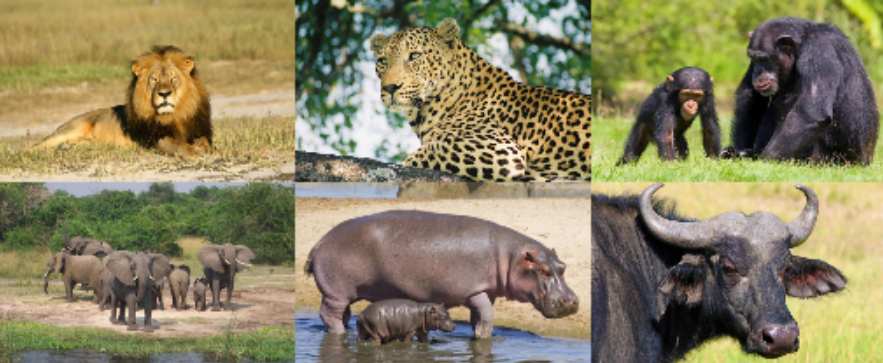
Herds of African elephants, Cape buffalo, and Ugandan kob dominate the open savannas. You might also encounter topi, bushbuck, waterbuck, and playful warthogs grazing the grasslands. Hippos and Nile crocodiles crowd the Kazinga Channel, offering constant action on leisurely boat cruises.
Forest Creatures and Primates
In the Kyambura Gorge, a thick riverine forest carved deep into the earth, visitors have a chance to track chimpanzees and other primates such as black-and-white colobus, red-tailed, and vervet monkeys—proof of the park’s astonishing habitat variety.
Birdwatching Paradise
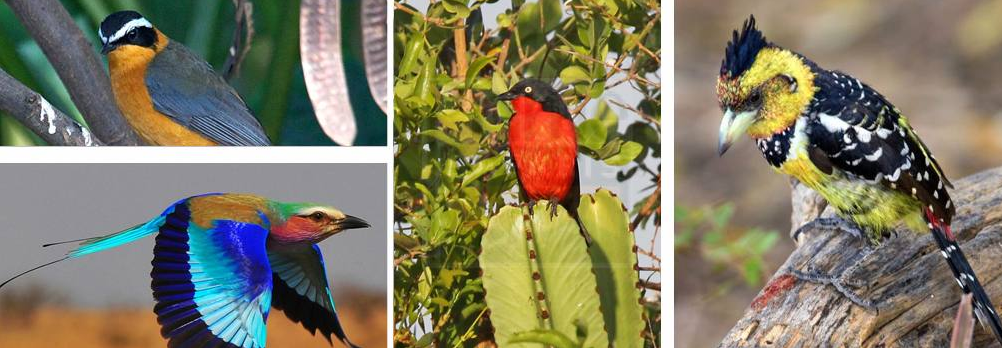
Queen Elizabeth National Park is often listed among Africa’s top birding destinations, boasting over 600 bird species—an extraordinary number for a single protected area.
Habitats range from savanna and forest to crater lakes and wetlands, creating ideal conditions for an astonishing diversity of species. Birders can expect both regional endemics and migratory visitors.
Top birding highlights include:
- African skimmer
- Shoebill (occasional sighting in remote wetlands)
- Martial eagle
- Great blue turaco
- Grey-headed kingfisher
- African fish eagle
- Black bee-eater (Albertine Rift endemic)
- Lesser and greater flamingos (often seen at the crater lakes)
The Kazinga Channel, Mweya Peninsula, and Maramagambo Forest are especially rewarding birding zones, offering sightings from early morning till late afternoon.
Best Time to Visit Queen Elizabeth National Park
The park can be visited year-round, but seasons influence both comfort and wildlife viewing.
Dry Season (June–September & December–February):
- Best for game drives and clear wildlife sightings—animals gather at water sources.
- Roads are more accessible for self-drive routes.
- Ideal for photographers seeking dramatic sunsets.
Wet Season (March–May & October–November):
- The landscape turns lush and green; migrant birds arrive, making this a birdwatcher’s dream.
- Gorilla or chimp trekking in nearby areas is often paired with a Queen Elizabeth safari at this time.
- Occasional showers, but dramatic skies and fewer crowds.
Top Activities in Queen Elizabeth National Park
- Game Drives in Kasenyi Plains and Ishasha Sector
- Boat Cruises on the Kazinga Channel, a highlight trip between Lake George and Lake Edward, famed for hippos, crocodiles, elephants, and waterbirds
- Chimpanzee Tracking in Kyambura Gorge
- Community & Cultural Tours with local fishing villages near Mweya
- Nature Walks and Crater Lake Tours around Katwe and the Explosion Crater drives for panoramic views of volcanic formations
Scenic Highlights & Landscapes
Queen Elizabeth is not only about wildlife—it’s also one of the most geographically dramatic parks in East Africa.
- The Katunguru Bridge offers iconic views of the Kazinga Channel.
- The Explosion Craters form a chain of emerald-green lakes across volcanic hills.
- The Rwenzori Mountains, often capped with silvery peaks, provide a breathtaking backdrop to the savannas.
- Lake Katwe, famous for its traditional salt-mining techniques, reveals a fascinating insight into rural Ugandan life.
Where to Stay
Accommodation varies from riverside luxury lodges to family-run safari camps:
- Mweya Safari Lodge – classic views of the channel and wildlife-filled plains
- Ishasha Wilderness Camp – perfect base for lion tracking
- Buffalo Safari Lodge – mid-range comfort near Kasenyi
- Simba Safari Camp – affordable option with lovely vistas
All properties follow eco-friendly practices supporting community conservation, aligning with Uganda’s national commitment to sustainable tourism.
Conservation and Community Empowerment
Queen Elizabeth National Park embodies Uganda’s vision of wildlife conservation linked to local livelihoods. Community projects around the park support education, anti-poaching initiatives, and eco-tourism partnerships that turn wildlife protection into shared success.
By visiting, travelers directly contribute to conservation funding and employment opportunities for local people—helping secure this extraordinary landscape for future generations.
(External resource: Uganda Wildlife Authority)
Why Visit Queen Elizabeth National Park
✔️ Wide range of wildlife, including rare tree-climbing lions
✔️ Over 600 bird species—a haven for birdwatchers
✔️ Diverse landscapes: savanna, rainforest, wetlands, and volcanic craters
✔️ Exciting chimp trekking in the Kyambura Gorge
✔️ Accessible year-round and easily combined with Bwindi or Kibale safaris
Final Thoughts
Whether you’re tracking lions across golden plains, gliding down the Kazinga Channel as elephants bathe, or listening to the chorus of birds at dawn, Queen Elizabeth National Park delivers quintessential East African safari magic.
It’s not just Uganda’s most famous national park—it’s a living tapestry of ecosystems where every sunrise brings new discovery and every sunset promises another wild story.

Comment (0)