
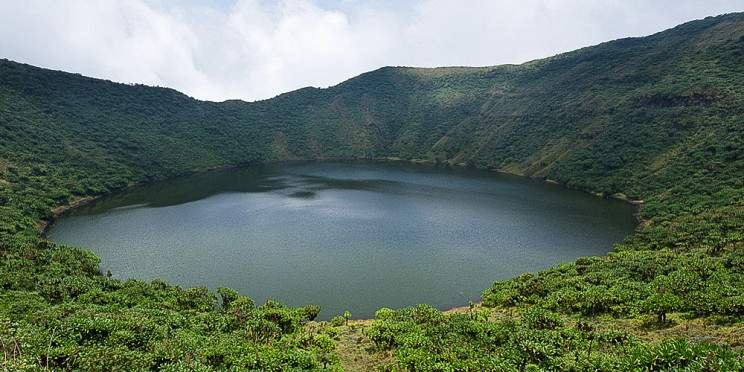
Uganda safari tours. Track mountain gorillas in Bwindi, cruise the Nile at Murchison Falls, and explore Kibale & Lake Mburo. Plan your trip!
Table of Contents
- Why Uganda Safari Tours Capture Every Traveler’s Heart
- Bwindi Impenetrable Forest National Park: Face-to-Face with Mountain Gorillas
- Murchison Falls National Park: Where the Nile Thunders Through the Wild
- Kibale Forest National Park: Africa’s Primate Capital
- Lake Mburo National Park: Compact, Wild & Wonderfully Accessible
- Cultural Encounters & Conservation on Uganda Safari Tours
- Best Time to Book Uganda Safari Tours
- Frequently Asked Questions
- Conclusion: Your Pearl of Africa Awaits
1. Why Uganda Safari Tours Capture Every Traveler’s Heart
Few destinations blend raw wilderness, misty rainforests, and vibrant cultures quite like Uganda. Often called the Pearl of Africa, this East African gem delivers Uganda safari tours that feel both intimate and awe-inspiring. Whether you’re tracking endangered primates, cruising past basking hippos, or sharing stories with local communities, every moment here connects you deeper to nature.
What truly sets Uganda safari tours apart is the country’s remarkable biodiversity. From volcanic highlands to savanna plains and crater lakes, the landscapes shift dramatically within just a few hours’ drive. And at the heart of it all? The chance to stand mere feet from mountain gorillas in their natural home—an encounter that changes travelers forever.
2. Bwindi Impenetrable Forest National Park: Face-to-Face with Mountain Gorillas
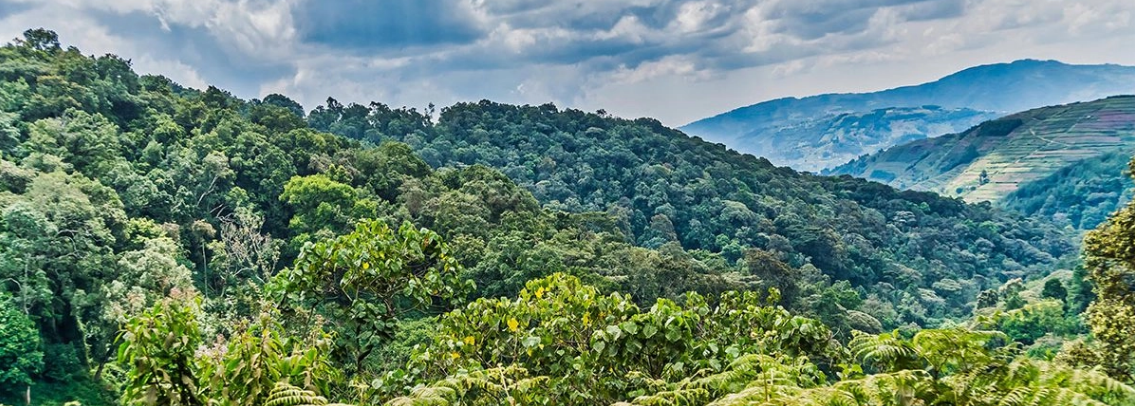
Misty forest trail with a silverback gorilla “Mountain gorilla trekking in Bwindi Impenetrable Forest National Park, Uganda
Tucked into southwestern Uganda’s Albertine Rift, Bwindi Impenetrable Forest National Park is a UNESCO World Heritage Site and a living sanctuary for nearly half of the world’s remaining mountain gorillas. Spanning 331 square kilometers, this ancient rainforest earns its name from dense, vine-tangled canopies and steep, moss-covered valleys that range from 1,160 to 2,607 meters in elevation.
Gorilla trekking here is the crown jewel of Uganda safari tours. Guided by expert trackers, you’ll hike through emerald foliage until you finally lock eyes with a gentle giant chewing bamboo or grooming its young. The experience is tightly regulated to protect both visitors and primates, ensuring minimal impact and maximum wonder.
Beyond gorillas, Bwindi rewards curious travelers with:
- Guided forest walks to spot duikers, bushpigs, and rare butterflies
- Exceptional birding (over 350 species, including 23 Albertine Rift endemics)
- Community visits to learn about Batwa heritage and Bakiga traditions
3. Murchison Falls National Park: Where the Nile Thunders Through the Wild
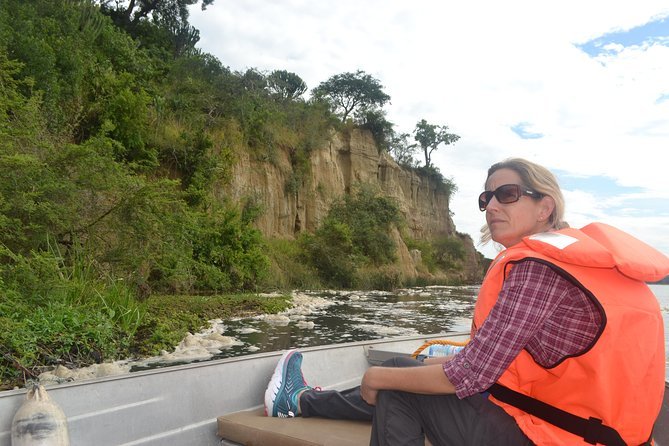
2 Days Family Safari to Murchison
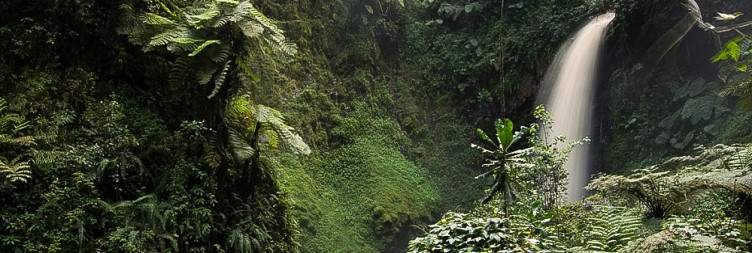
Covering 3,840 square kilometers, Murchison Falls National Park is Uganda’s largest protected area and a masterclass in raw African power. The park’s centerpiece is the Victoria Nile, which squeezes through a 7-meter rock fissure before plunging 43 meters into a roaring basin. Standing at the top of Murchison Falls, you’ll feel the ground tremble as millions of liters of water crash below.
Wildlife thrives along the riverbanks and across the park’s savanna-woodlands. Game drives regularly reveal elephants, giraffes, lions, and herds of Uganda kob. For a slower pace, boat cruises on the Nile glide past basking crocodiles, yawning hippos, and elephants cooling off in the shallows.
Reaching the park is straightforward:
- By road: 5–6 scenic hours from Kampala
- By air: Scheduled or charter flights from Entebbe to Pakuba or Bugungu airstrips
Murchison effortlessly blends adrenaline, photography, and classic safari romance into one unforgettable stretch of wilderness.
4. Kibale Forest National Park: Africa’s Primate Capital
Chimpanzee swinging through lush green canopy “Chimpanzee tracking in Kibale Forest National Park, Uganda”
If Bwindi belongs to gorillas, Kibale Forest National Park belongs to chimpanzees. Located in western Uganda, this 795-square-kilometer rainforest shelters over 1,500 chimpanzees, making it the most reliable place in Africa to observe our closest living relatives in the wild.
Chimp tracking here is dynamic and immersive. Unlike gorillas, chimpanzees are highly active—leaping through branches, vocalizing loudly, and interacting in complex social groups. You’ll follow expert guides through dappled forest light until you witness tool use, grooming rituals, or playful juvenile antics up close.
Kibale’s biodiversity extends far beyond primates:
- 12 other primate species, including red colobus, L’Hoest’s monkeys, and grey-cheeked mangabeys
- Over 375 bird species, with highlights like the green-breasted pitta and African pitta
- The Bigodi Wetland Sanctuary, perfect for community-guided nature walks and butterfly spotting
For primate lovers, Kibale isn’t just a stop on Uganda safari tours—it’s the main event.
5. Lake Mburo National Park: Compact, Wild & Wonderfully Accessible

Zebras grazing near a shimmering lake at sunrise “Zebras and impalas in Lake Mburo National Park, Uganda“
Just a short drive from Kampala, Lake Mburo National Park proves that you don’t need days of travel to experience authentic African wildlife. This compact 370-square-kilometer reserve is a favorite for time-conscious travelers and a refreshing change of pace on Uganda safari tours.
Lake Mburo stands out for species you won’t easily find elsewhere in Uganda:
- Large herds of zebra and impala
- Eland, topi, bushbuck, and warthogs roaming acacia woodlands
- Over 350 bird species, including the rare African finfoot and striking shoebill (seasonal)
- Hippos and crocodiles lounging across five interconnected lakes
What truly sets Mburo apart is how you experience it. Horseback safaris let you trot alongside grazing antelope. Guided walking safaris bring you eye-level with tracks, insects, and medicinal plants. Boat trips on Lake Mburo offer quiet, reflective wildlife viewing as kingfishers dive and fish eagles call overhead.
6. Cultural Encounters & Conservation on Uganda Safari Tours
Wildlife is only half the story. The true soul of Uganda safari tours lies in its people. Community-based tourism initiatives ensure that local villages benefit directly from conservation, turning protection into partnership.
Highlights include:
- Batwa cultural experiences near Bwindi, where forest elders share ancestral hunting techniques, music, and medicinal plant knowledge
- Boomu Women’s Group near Murchison Falls, offering craft workshops, traditional cooking, and homestay opportunities
- Fishing village visits along the Kazinga Channel and Lake Mburo, showcasing sustainable livelihoods tied to water ecosystems
Every park fee, guide tip, and community tour directly funds anti-poaching patrols, habitat restoration, and education programs. Travel here doesn’t just show you Africa—it helps preserve it.
Uganda Wildlife Authority – Conservation & Tourism)
Read our complete guide to gorilla trekking permits in Uganda)
7. Best Time to Book Uganda Safari Tours
Uganda’s equatorial climate makes it a year-round destination, but seasons shape the experience:
🌞 Dry Seasons (June–September & December–February)
- Ideal for gorilla & chimp trekking (trails are less muddy)
- Wildlife congregates near water sources, improving game drive sightings
- Clear skies perfect for photography and scenic flights
🌧️ Wet Seasons (March–May & October–November)
- Lush, vibrant landscapes and fewer crowds
- Peak birding months as migratory species arrive
- Afternoon showers are common but rarely disrupt full-day itineraries
No matter when you visit, Uganda safari tours deliver consistent wildlife encounters and warm hospitality.
8. Frequently Asked Questions
How physically demanding are Uganda safari tours?
Gorilla and chimp trekking involve moderate hiking on uneven terrain. Most travelers in average health manage comfortably. Porters are available to assist with gear and pacing.
Do I need permits for primate tracking?
Yes. Gorilla permits cost ~$800 per person, while chimp permits range $200–$250. Book 3–6 months ahead, especially for peak season.
Can I combine multiple parks in one trip?
Absolutely. A classic 10–14 day itinerary links Bwindi, Queen Elizabeth, Kibale, and Murchison Falls with smooth road transfers or domestic flights.
Are Uganda safari tours family-friendly?
Yes, though gorilla trekking requires participants to be 15+. Lake Mburo, boat cruises, and cultural visits are excellent for younger travelers.
9. Conclusion: Your Pearl of Africa Awaits
From the mist-draped slopes of Bwindi to the thunderous roar of Murchison Falls, Uganda safari tours offer a rare blend of intimacy, diversity, and raw natural beauty. This isn’t a destination you simply visit—it’s one that stays with you long after you’ve packed your bags.
Whether you’re tracking chimpanzees through sunlit canopies, watching zebras mirror themselves in still lake waters, or sharing laughter around a village fire, Uganda rewards curiosity with wonder.
Start planning your journey today. The Pearl of Africa is ready to shine for you.

Comment (0)