
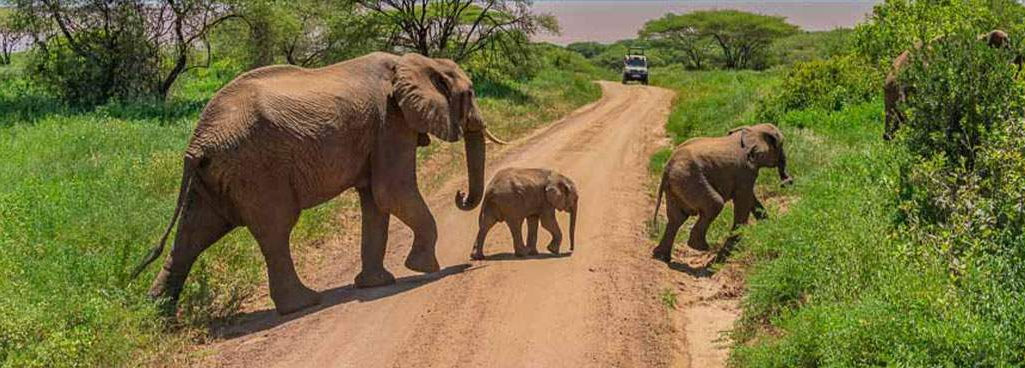
Tarangire National Park. Discover the magic of Tarangire National Park. This complete guide to visiting Tarangire reveals the best time to go, top safari experiences, wildlife highlights, and travel tips for every explorer.
Table of Contents
- Overview: Why Tarangire Is Tanzania’s Hidden Safari Gem
- The Best Time to Visit Tarangire National Park
- Getting to Tarangire: Location & Directions
- Top Safari Experiences & Wildlife Highlights
- Elephants and Baobab Spectacles
- Big Cats and Birdlife
- Where to Stay: Lodges, Camps, and Budget Options
- Essential Travel Tips for Visitors
- Nearby Attractions and Parks
- Conservation and Cultural Insights
- Frequently Asked Questions
- Conclusion: Start Planning Your Tarangire Adventure
1. Why Tarangire Is Tanzania’s Hidden Safari Gem
If you love wide plains dotted with baobab trees, rivers glistening under an African sunset, and herds of elephants that seem to stretch forever—visiting Tarangire National Park belongs on your bucket list. Located in northern Tanzania, this 2,850-square-kilometer park is often overshadowed by Serengeti and Ngorongoro, yet it offers some of the most intimate and uncrowded safari experiences in East Africa.
2. Best Time to Visit Tarangire National Park
While the park teems with life all year, the dry season (June to October) is ideal for game viewing. Animals gather around the Tarangire River, making sightings remarkably easy. For birdwatchers, the green season (November to May) transforms the park into a lush paradise, with over 500 bird species recorded.
3. Getting to Tarangire: Location & Directions
Tarangire lies about 120 km southwest of Arusha, a major safari hub. Entry is simple:
- By road: 2–3 hours’ drive from Arusha.
- By air: Daily charter flights land at Kuro Airstrip inside the park.
Many visitors combine Tarangire with Lake Manyara National Park and the Ngorongoro Crater on the same safari route.
(External Resource: Tanzania National Parks Authority)
4. Top Safari Experiences & Wildlife Highlights
🐘 Elephants and Baobab Spectacles
Tarangire boasts one of the largest elephant populations in Tanzania. You’ll often see family herds bathing and playing in the river. The elegant baobab trees, which can live over a thousand years, create a dramatic backdrop you’ll never forget.
Big Cats and Birdlife
Cheetahs and lions roam the golden grasslands, while the park’s wetlands host flamingos and other water birds. Birding enthusiasts can spot ashy starlings, African grey falcons, and yellow-collared lovebirds—species found only in this region.
(Image suggestion: Photograph of elephants by the Tarangire River; Alt text: “Elephants in Tarangire National Park, Tanzania.”)
5. Where to Stay: Lodges, Camps, and Budget Options
From luxury safari lodges perched on hilltops to bush camps under the stars, Tarangire offers something for everyone.
- Tarangire Treetops – Luxury lodge built around baobab trees.
- Osupuko Lodge – Mid-range comfort near the main gate.
- Public campsites – Affordable and communal, suited for the adventurous.
(Internal link suggestion: Read our guide to Tanzania Safari Lodges)
6. Essential Travel Tips for Visitors
- Carry light, neutral-colored clothing for comfort and camouflage.
- Bring binoculars and a zoom lens for wildlife photography.
- Always keep hydrated—daytime temperatures can soar.
- Respect animal distances: Tarangire is wild, and encounters are real.
7. Nearby Attractions and Parks
Extend your adventure by adding:
- Lake Manyara (1 hour away): Famous for tree-climbing lions.
- Ngorongoro Crater (2 hours): Home to the Big Five in a dormant volcano.
- Serengeti National Park (4–5 hours): For the legendary Great Migration.
8. Conservation and Cultural Insights
Tarangire sits within a wildlife corridor that supports animal migration between parks. Local Maasai and Barabaig communities live nearby, maintaining traditions harmoniously with nature.
Tourism here supports anti-poaching and habitat protection efforts.
(External Resource: WWF Tanzania on Conservation)
9. Frequently Asked Questions
Is Tarangire safe to visit?
Yes. With guided tours and knowledgeable safe and thrilling.

Comment (0)